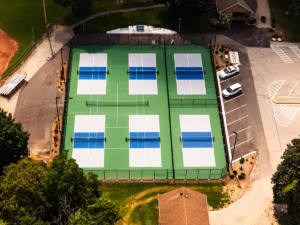
For any athlete, an athletic court is where your work comes together. It’s where every sprint, shot, and point depends on having a consistent surface beneath your feet. But creating that kind of playing environment requires much more than one may initially think. From evaluating the site and preparing the foundation to planning long-term maintenance, every stage of construction plays a role in how a court ultimately performs.
So, what actually goes into building an athletic court? Let’s explore the process.

It Starts with the Site
Before construction begins, the actual site will need to be evaluated. Soil conditions, grading, drainage, accessibility, surrounding structures, and intended use all play a role in determining how a court should be designed and constructed. Proper site preparation creates the foundation for everything that follows. Without a properly prepared base, even a beautifully finished court can experience issues over time.
ASC approaches each project with the understanding that no two sites are exactly alike. Evaluating the conditions early allows the construction team to identify potential challenges and develop a plan that supports the long-term performance of the facility.
Strong Foundations
Once the site has been prepared, the foundation of the court becomes the next critical consideration. A properly constructed base provides stability and helps the finished playing surface perform as intended. For athletic facilities, consistency is especially important. Players need a surface they can trust beneath their feet, whether they’re practicing, competing, or simply enjoying a leisurely game.
Drainage Can’t Be an Afterthought
Water is one of the biggest threats to the longevity of an outdoor athletic court. Grading and drainage help direct water away from the playing area and reduce the risk of standing water, erosion, cracking, and other surface problems. Drainage considerations should be incorporated into the project from the beginning.
Playing Surfaces Are Key
Once the foundation is properly prepared, the playing surface can be installed. Surface systems can vary depending on the application, location, sport, and performance requirements. For pickleball and tennis facilities, for example, the surface needs to provide appropriate traction and consistency, while creating a comfortable environment for players. This is an area where the connection between construction expertise and athlete experience becomes especially important.
ASC’s partnership with Fahey provides a firsthand perspective on what athletes notice when they step onto a court. At the professional level, consistency is essential. The playing environment needs to support quick movement, repeated play, and confidence in every step. While not every court is built for professional competition, the same principle applies: Thoughtful construction creates a better experience for everyone who uses the facility.
From the Ground Up, with Durability in Mind
At ASC, we believe every detail matters, from the ground beneath the court to the surface players compete on. Our athletic partnerships reinforce the importance of creating athletic environments where players can focus on their game while facility owners can feel confident in the quality of their investment.
If you’re developing a new pickleball court or tennis facility, upgrading an existing court, or planning a larger athletic complex, ASC can help bring the project from concept to completion.
Ready to build an athletic court designed for performance and longevity? Contact America Sports Construction today to discuss your next project.