
As sports construction professionals, we are getting this question more and more frequently: “What is padel and why is it so popular?”
Padel is gaining popularity across North America because it combines an approachable learning curve with fast-paced, social gameplay and plenty of room to develop new skills. As more dedicated courts open, more players also have the opportunity to try the sport and make it part of their regular recreation.
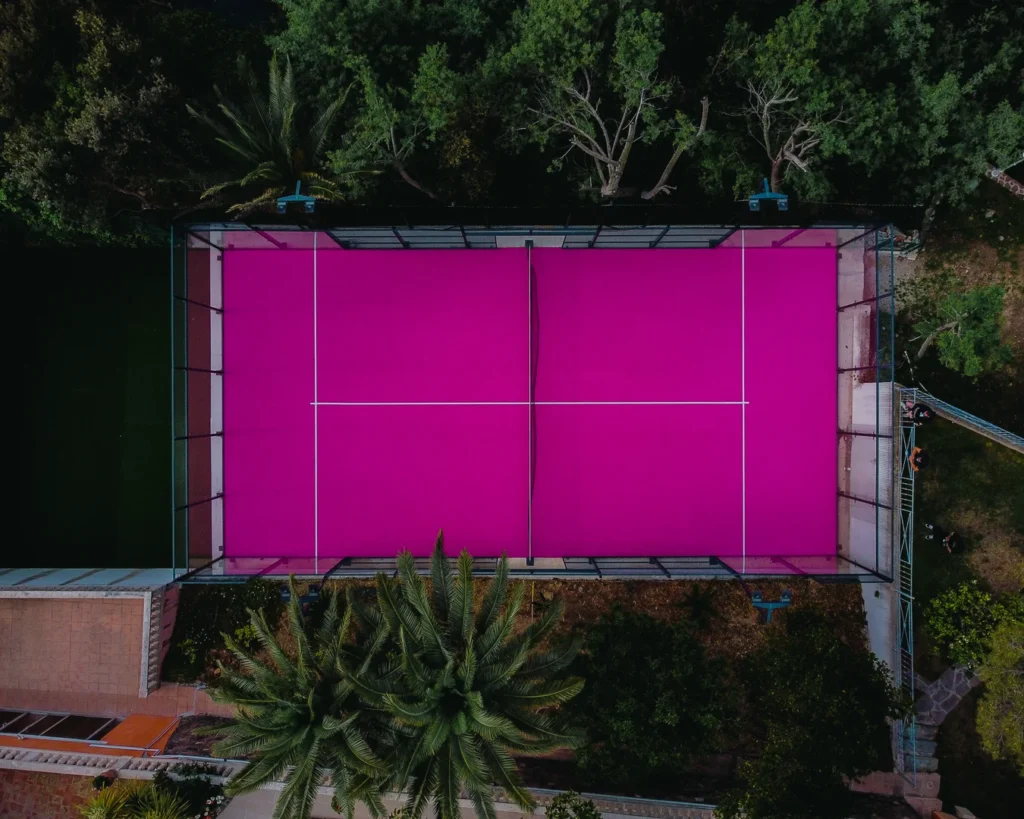
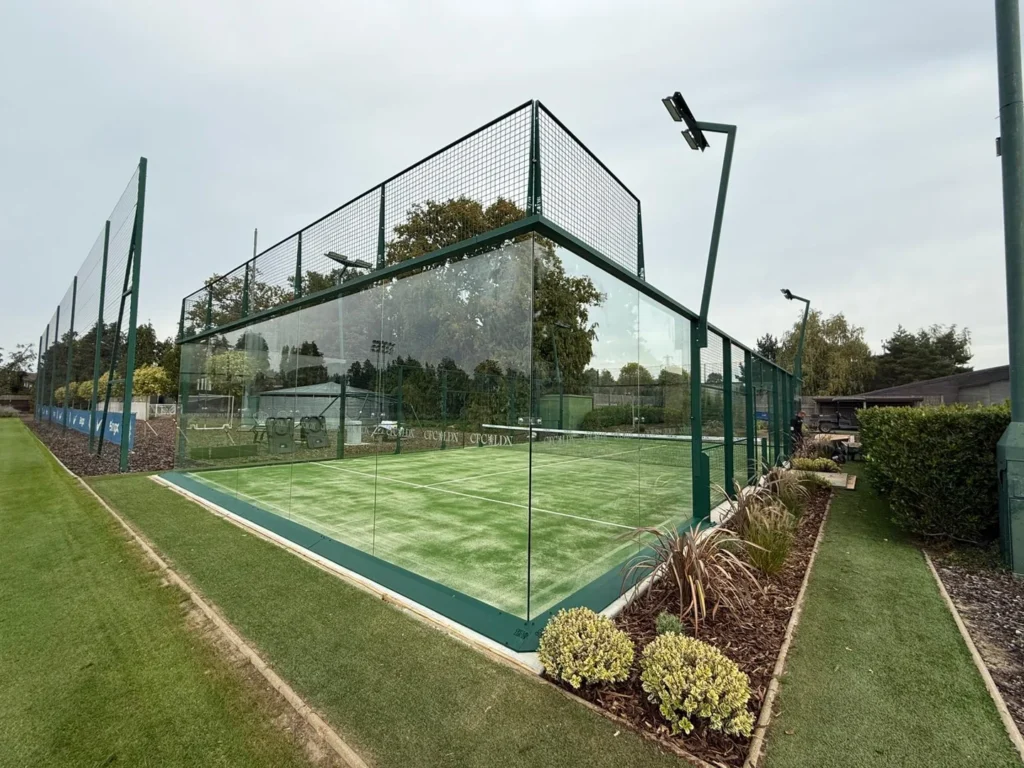
Unlike tennis or pickleball, padel is played on a purpose-built enclosed court where the walls become part of the game. For clubs, communities, resorts, and developers, that creates an important connection between player demand and court access. Interest can introduce people to padel, but well-planned facilities help turn that curiosity into lasting participation.
Why is padel so popular? Quick answer:
- Beginners can start playing relatively quickly
- Doubles make the game inherently social
- The strategy becomes more advanced as players improve
In this guide, we explain what padel is and why it is so popular, how to introduce the sport to local markets with purpose-built courts, and what’s next for this trending sport.
Padel’s North American Growth Is Showing Up in the Numbers
According to the International Padel Federation, the sport’s popularity is growing steadily, with the number of amateur North American players surpassing 100,000 as of last year and an estimated 650 courts across 175 clubs in 31 states. Participation, infrastructure, organized competition, and club involvement are developing simultaneously, substantiating more than a casual awareness.
Why Padel Appeals to Such a Broad Player Base
An Approachable Entry Point for New Players
New players can begin participating without first mastering some of the more technical serving mechanics and strokes associated with traditional racquet sports. The enclosed court also brings the walls into play, helping create longer, more dynamic rallies while introducing a tactical element unique to padel.
But approachable does not mean simple. As players improve, positioning, anticipation, shot selection, wall play, and communication become increasingly important. This gives beginners an accessible way into the sport while providing experienced players with opportunities to continue developing their game.
A Social Format Built Into the Game
Padel is typically played as doubles, so every match brings four players onto the court. The compact playing area keeps teammates and opponents involved, while communication and teamwork are fundamental parts of the game.
Its format also creates programming opportunities for recreational facilities. Clubs and communities can organize leagues, clinics, open play, tournaments, corporate recreation, and social events around the sport.
Purpose-Built Courts Turn Curiosity Into Participation
Padel requires access to a dedicated enclosed court designed for the sport, making infrastructure essential to its growth cycle. New courts create access. Access allows new players to try padel. Clinics, leagues, open play, and events encourage repeat participation. Sustained participation, then, creates demand for additional facilities.
The simultaneous growth of U.S. courts, players, club memberships, and tournaments supports this connection. For facility owners considering the sport, access to padel court construction services can help turn growing local interest into a facility designed for consistent, long-term use.
Why More Facilities Are Considering Padel Courts
As padel participation grows, clubs, resorts, municipalities, residential communities, and other organizations are evaluating how the sport could fit into their recreational programming. The opportunity goes beyond simply following a trend. Padel courts can introduce a distinct activity that supports several types of programming and social play.
Expanding Racquet Sports Programming
For clubs and multisport facilities already investing in pickleball and tennis court construction, padel complements existing racquet sports with a different playing experience. Facilities can build programming around lessons, leagues, tournaments, clinics, open play, and social events. And because padel offers an approachable starting point and greater tactical depth as players improve, facilities can also develop programming for multiple experience levels.
Adding a Social Recreation Amenity
Padel may also appeal to resorts, country clubs, HOAs, residential developments, and corporate campuses looking for an experience-oriented recreational amenity. With the right programming, a court can accommodate casual matches, organized events, member activities, and other forms of group recreation. The best approach depends on who will use the facility and how padel fits into its broader amenities.
Introducing Padel to an Emerging Local Market
The International Padel Federation estimated that Florida contained about 41% of U.S. courts in 2025, followed by Texas at 18% and California at 10%. While concentration suggests opportunities may exist in markets with fewer courts, limited competition does not automatically prove demand. Facility owners should evaluate local interest, existing recreation options, programming capabilities, and long-term operational plans before moving forward.
Growth Does Not Eliminate the Need for Careful Court Planning
Padel’s rising popularity does not determine whether a particular property is suitable for a court. Successful court development starts with the site and the facility’s intended use.
Planning may involve available space, site preparation, foundation requirements, drainage, court orientation, weather exposure, lighting, operating hours, player circulation, spectator areas, noise, approvals, and potential future expansion.
Indoor, outdoor, and covered courts can also create different site, climate, operating, and budget considerations. An experienced athletic court construction team can help owners evaluate the site and plan a facility around its intended use.
Bring Padel to Your Facility With America Sports Construction
America Sports Construction provides turnkey padel court solutions, from site preparation and foundation work to surfacing, structural installation, lighting, fencing, net systems, accessories, and final inspections.
Now that we’ve learned why padel is so popular, it’s time to determine whether it’s the right fit for your property’s programming goals. Whether you are planning one court or evaluating padel as part of a larger recreational facility, our team helps you develop your project around your site, budget, and long-term goals. Contact America Sports Construction to discuss your project.